
Visible Together: Three Generations of HHT
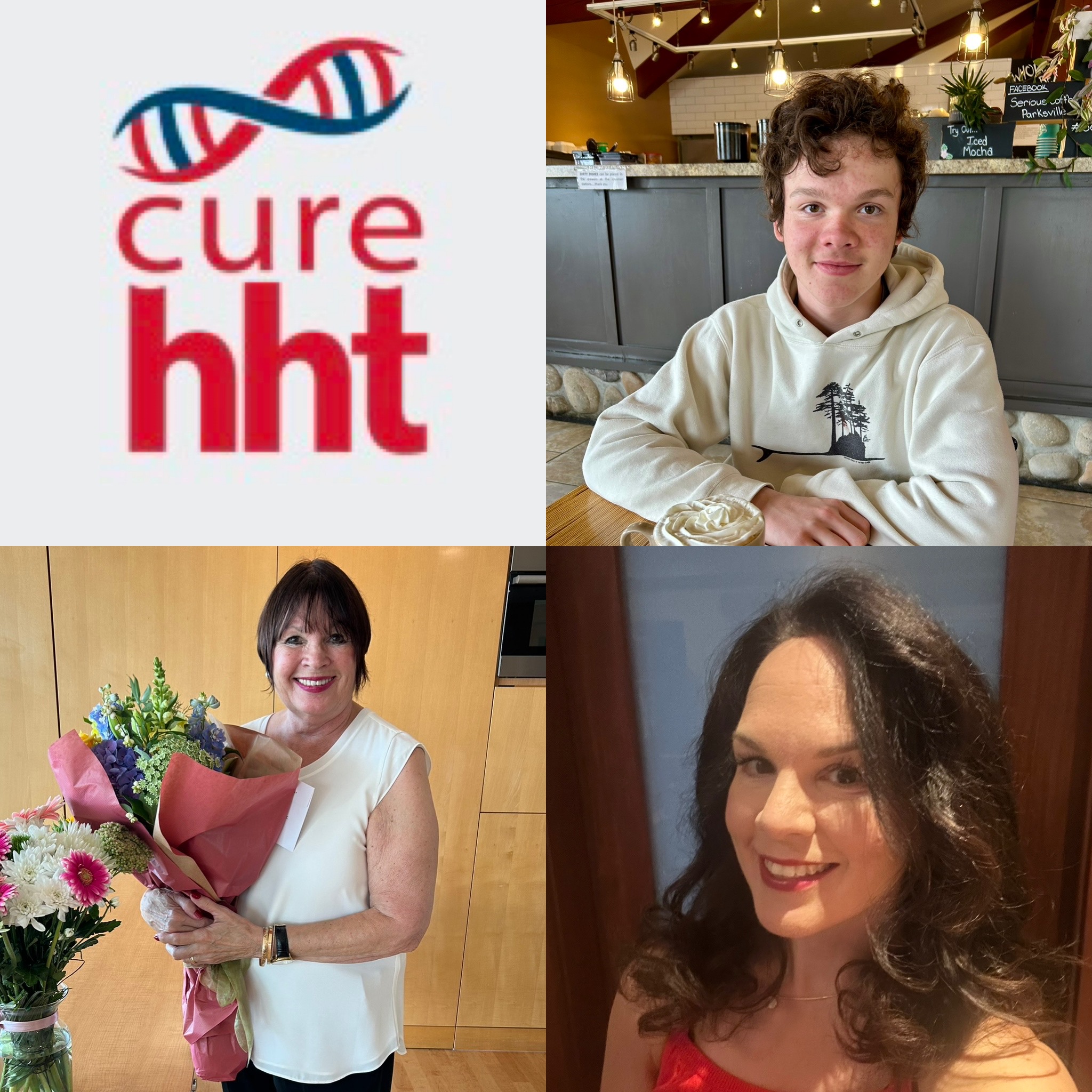
When Erin was a child, the nosebleeds seemed to have a pattern. They came after she jumped into a swimming pool. They came after a hot shower. They came often enough to be noticed, but not seriously enough to be investigated. Doctors told her it was just something she would have to live with. So she did. Erin grew up active and athletic. For years, the nosebleeds were the only visible sign that something deeper was happening inside her body. There were no clear warnings. No urgent referrals. No one saying the words hereditary hemorrhagic telangiectasia, or HHT. Then Erin became pregnant, and the bleeding changed. She remembered standing over the sink as blood poured from her nose. What had once been brushed off as an inconvenience became frightening, severe, and impossible to ignore. An ENT cauterized her nose, but the treatment did not solve the problem. It was not until Erin was 40 years old that another ENT examined her and recognized what had been missed for decades. “You have HHT.” With those words, Erin’s life shifted. One diagnosis opened the door to genetic testing, MRIs, CT scans, surgeries, and a new understanding of all those years of unexplained bleeding. Doctors found three large arteriovenous malformations (AVMs) in her lungs. Looking back, Erin realized how fortunate she had been to get through two pregnancies safely without knowing the risks she carried. But HHT did not stop with Erin. Because HHT is genetic, Erin had both of her children tested. Her son, Bryan, also has HHT. After some time, her mother, Deidre, was tested too. She received her diagnosis at age 70. Three generations. One condition. Decades of missed signs. Today, HHT is part of Erin’s daily life not only as a patient, but as a mother and daughter. She describes herself as a case manager for both herself and Bryan, making sure follow-up appointments, scans, bloodwork, ENT care, respirology visits, and ongoing monitoring do not fall through the cracks. That is one of the quieter burdens of HHT. It is not only the bleeding. It is the planning. The tracking. The waiting. The worry that something serious may be growing unseen. Erin and Bryan both experience periods of anemia and require iron infusions. When anemia hits, everyday tasks can become exhausting. The ordinary rhythms of life—work, school, family, errands, meals, rest—become heavier. For Bryan, more treatment is ahead. Soon, he will need nose ablation and lung embolization. Erin worries about his untreated lung AVMs. She worries about whether new lung AVMs could develop for her. She worries about the possibility of a blood clot traveling to the brain or lungs. She worries about the cumulative effects of CT scans, about a major medical event, about what HHT could mean for her lifespan and for her son’s future. And she worries about her mother. Deidre has large AVMs on her tongue that bleed heavily when she eats hot or spicy food. She also has a visible AVM growing on her face, something that can bring embarrassment on top of fear. Heavy bleeds from her nose or tongue are not just physically difficult. They are emotionally draining. That is what so many people misunderstand about HHT. It is more than “just a nosebleed.” HHT can affect the lungs, brain, liver, skin, tongue, and other parts of the body. It can be life-threatening if left untreated. And because it often hides behind symptoms that are minimized or misunderstood, diagnosis can come far too late. For Erin, visibility matters because she knows what it means to go unseen. She knows what it means to spend years being told to live with a symptom that deserved answers. She knows what it means to discover, only later, that her body had been carrying risks no one had named. She knows what it means to look at her son and wish that his path could be clearer, safer, and better supported than her own. This Global HHT Awareness Day, Erin’s story is a reminder of why we come together. For the children who deserve answers before crisis. For the parents carrying worry they cannot set down. For the grandparents who spent a lifetime without a name for what they were experiencing. We are visible together because an earlier diagnosis can save lives. Your gift to Cure HHT during HHT Awareness Month helps fuel the awareness, education, research, and care that families like Erin’s need. It helps bring HHT out of the shadows. It helps more people recognize the signs, ask the right questions, and find expert care sooner. For Erin, Bryan, Deidre, and every family still waiting for answers, visibility can change everything. Please make a gift today and help us build a future where no one has to live for decades with HHT unseen. This HHT Awareness Month, we are Visible Together because visibility changes what is possible. Your gift to Cure HHT helps support the education, advocacy, research, and expert care that move this community forward. It helps more providers understand HHT. It helps more patients find answers. It helps build a future where rare disease care is not defined by isolation, but by connection, knowledge, and hope. Thanks to a generous group of donors, a significant portion of gifts made during HHT Awareness Month will be matched.