Research We Support
Cure HHT funds the science that others will not fund yet: the early idea, the unproven hypothesis, the young investigator. That is the work that turns into a clinical trial ten years later.
The impact of our work
What Cure HHT funding has moved
$8,018,373
Funds granted to Cure HHT
$2,383,960
Cure HHT investment in HHT researchers
$600,000
Investment in clinical trials
$43,512,904
Funds secured through partnerships
Research spotlight
Five projects this funding put in motion
Each of these began as an idea that no traditional funder would have backed at the time.
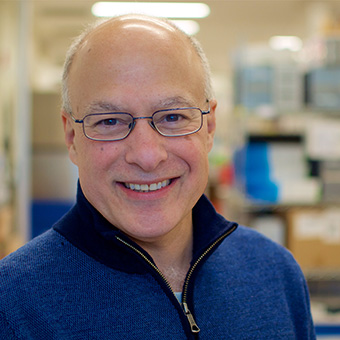
William Sellers, MD · Broad Institute
Antibodies: a path to a cure
Every therapy currently in HHT trials is a drug repurposed from somewhere else. None of them is built on what we know about the gene mutation itself.
Dr Sellers is designing antibodies that bind two parts of the HHT signaling pathway at once, holding together what the mutation pulls apart. That would be the first therapy aimed at the cause rather than the symptoms.
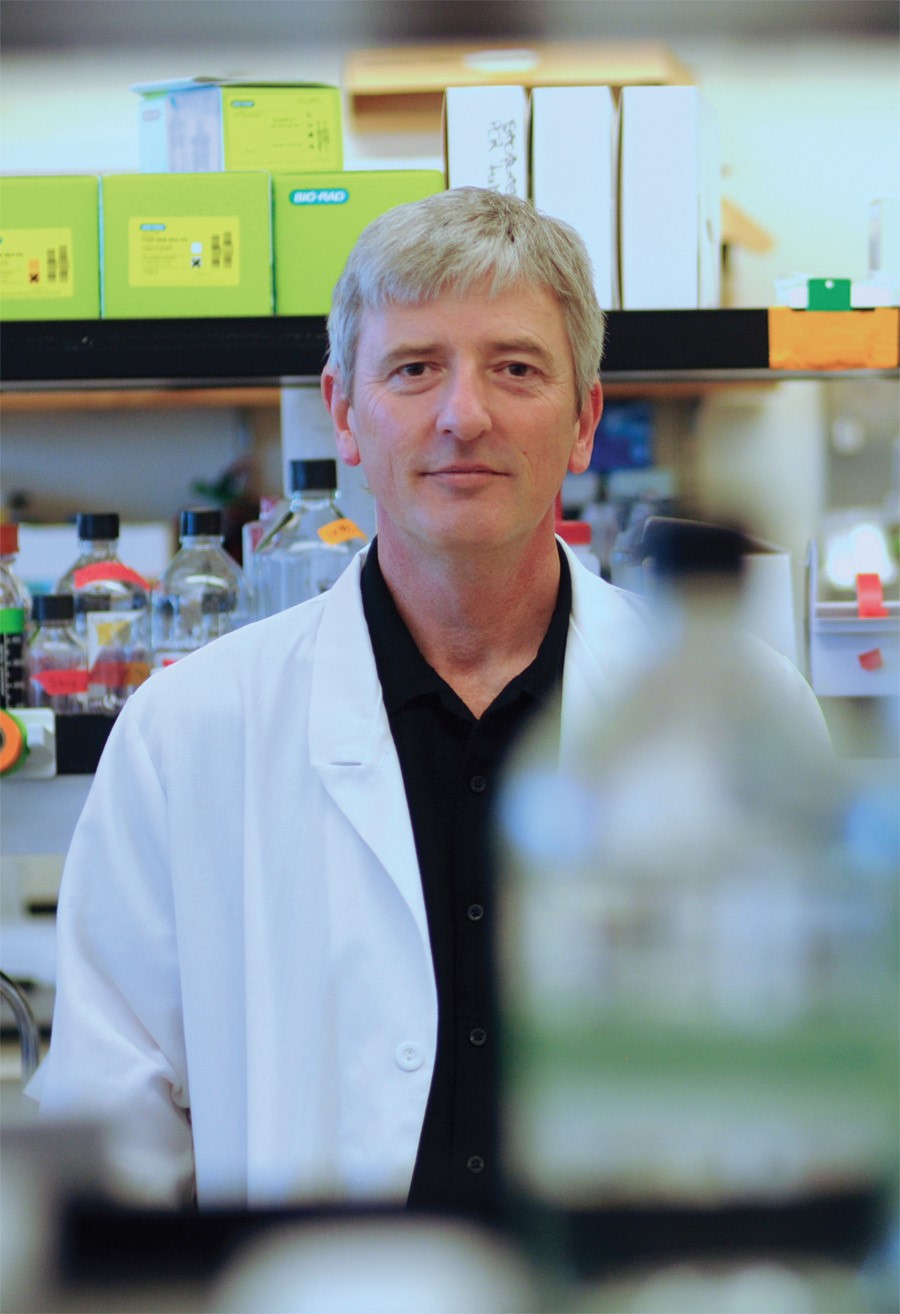
Christopher Hughes, PhD · UC Irvine
AVMs on chips
Dr Hughes grows the blood vessel malformations of HHT on a microchip engineered to behave like human tissue, which means a candidate drug can be tested against a real lesion without a patient in the room.
Screening on those lab-grown AVMs showed that pazopanib blocks lesion formation. Pazopanib is now in trials.
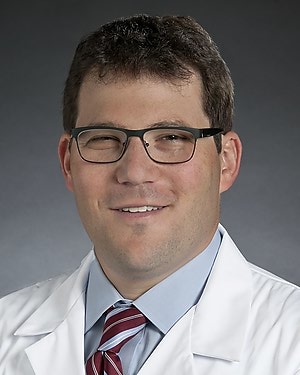
Clifford Weiss, MD · Johns Hopkins
Improving quality of life
A $50,000 Cure HHT grant funds the first serious measurement of what HHT costs people day to day: fatigue, anxiety, and the quality-of-life measures that never appear in a clinical chart.
The study compares HHT against the general population and other chronic conditions, and asks how age, gender, race, genetic mutation, and symptom severity change the answer.
Edda Spiekerkoetter, MD · Stanford
Advances in drug repurposing
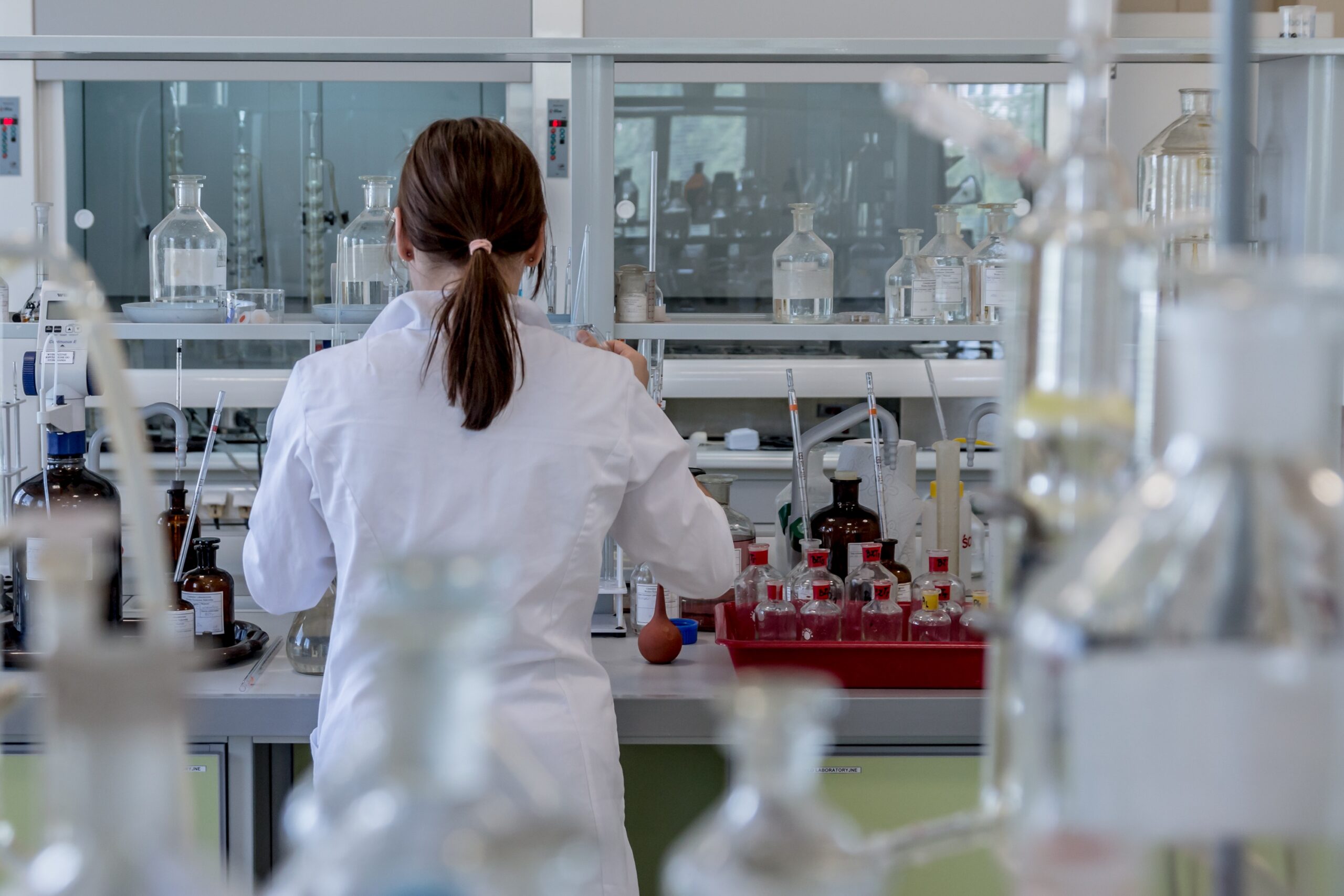
A $2.8 million NIH grant to the Stanford HHT Center of Excellence, studying what actually happens at the cellular level when a pulmonary AVM forms.
By testing drugs that already exist, including tacrolimus and tyrosine kinase inhibitors, the work moves from laboratory to clinical trial far faster than a new molecule could.

Anthony Anzell, PhD · University of Pittsburgh
Decoding genetic variations
A $20,000 award through Uplifting Athletes’ Young Investigator Draft, looking at why an ACVRL1 mutation produces a malformation in one place and not another.
Dr Anzell builds cultures where normal and mutated cells sit side by side, which is closer to how HHT actually behaves in a body than any single-cell model.
“
Through dedication and collaboration, Cure HHT has catalyzed significant advancements in HHT research over the years, bringing hope and tangible benefits to those affected by HHT. Cure HHT achieves this work by advocating for federal funding that is accessible for HHT researchers, funding smaller seed grants which allow researcher to generate data to apply for larger federal grants, and bringing tools and resources to the scientific and medical community to accelerate research.
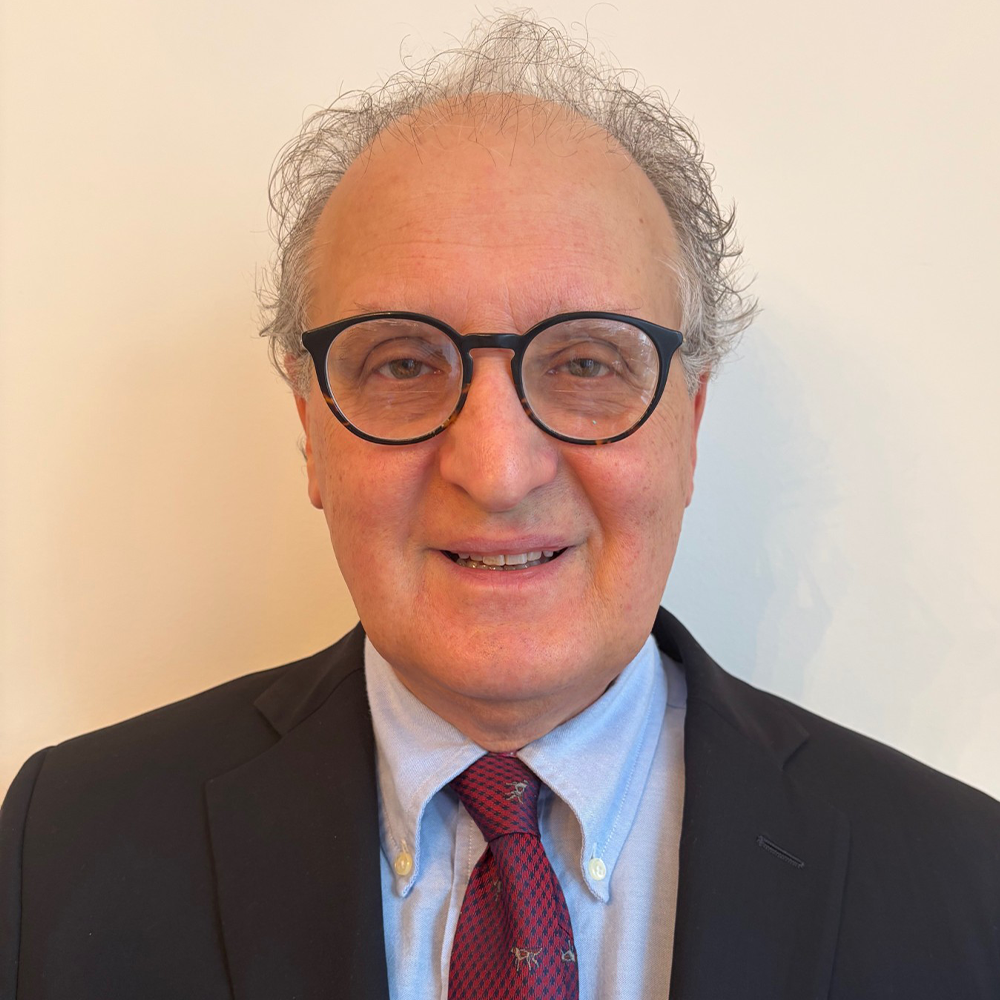
Dr. Douglas A Marchuk, James B Duke Professor, Department of Molecular Genetics and Microbiology, Duke University School of Medicine
Who we work with
Research funding rarely comes from one place
Cure HHT research is strengthened by partnerships with academic institutions, government agencies, foundations, and industry. Each brings something the others cannot.
Foundations and non-profits
Partners including the Chan Zuckerberg Initiative and the Argosy Foundation boost our research funding, allowing us to pursue more ambitious projects than we could alone.
Academic partnerships
University laboratories drive the discovery and innovation behind HHT research, and enrich the projects we fund with expertise we could not build in-house.
Government agencies
The NIH, Department of Defense, and CDC provide essential support that expands the scope and reach of HHT research well beyond what philanthropy alone can fund.
Industry collaborations
Companies including Diagonal Therapeutics, Medtronic, and Nasaclip bring technology and treatments into HHT research, and are the route by which a therapy actually reaches patients.
Every grant, every award
Supporting research on all fronts
Every grant, trial, and award Cure HHT has funded or helped secure since 2003. Filter by kind of funding, or search for a researcher, an institution, or a topic.
| Recipient | Institution or detail | Kind | Year | Cure HHT funding | Other funding |
|---|---|---|---|---|---|
| Beth Roman, PhD | University of Pittsburgh (USA) — basic science | Research grant | 2021 | — | $2,000,000 (DOD) |
| Jennifer Fang, PhD | University of California, Irvine (USA) — basic science | Research grant | 2020 | — | $314,000 (DOD) |
| Stryder Meadows, PhD | Tulane University (USA) — basic science | Research grant | 2018 | — | $1,819,500 (NIH) |
| Christopher Hughes, PhD | University of California, Irvine (USA) — basic science | Research grant | 2017 | — | $1,923,000 (NCATS) |
| Stryder Meadows, PhD | Tulane University (USA) — basic science | Research grant | 2016 | — | $1,785,199 (DOD) |
| Marie Faughnan, MD; Douglas Marchuk, PhD; Philippe Marambaud, PhD; S. Paul Oh, PhD; Beth Roman, PhD | University of Toronto (Canada); Duke University (USA); Feinstein Institute for Medical Research (USA); Barrow Neurological Institute (USA); University of Pittsburgh (USA) — basic and clinical science | Research grant | 2016 | — | $10,000,000 (DOD) |
| Michaela Aldred, PhD | Lerner Research Institute, Cleveland Clinic (USA) — Discovery Award | Research grant | 2015 | — | $2,600,000 (DOD) |
| Rong Wang, PhD | University of California, San Francisco (USA) — Investigator Initiative Award | Research grant | 2015 | — | $1,500,000 (DOD) |
| S. Paul Oh, PhD | University of Florida (USA) — basic science | Research grant | 2015 | $50,000 | $1,500,000 (NIH / NHLBI) |
| Beth Roman, PhD | University of Pittsburgh (USA) — genetics | Research grant | 2011 | $45,000 | $2,000,000 (NIH) |
| Rosemary Akhurst, PhD | University of California, San Francisco (USA) — basic science | Research grant | 2008 | $50,000 | $1,800,000 (NIH / NHLBI) |
| Christopher Hughes, PhD | University of California, Irvine (USA) — basic science | Research grant | 2008 | $50,000 | — |
| S. Paul Oh, PhD | University of Florida (USA) — basic science | Research grant | 2008 | $50,000 | $1,000,000 (NIH) |
| Michelle Letarte, PhD | The Hospital for Sick Children (Canada) — basic science | Research grant | 2006 | $50,000 | — |
| Douglas Marchuk, PhD | Duke University (USA) — basic science | Research grant | 2004 | $50,000 | — |
| Mary Porteous, MD | The University of Edinburgh (Scotland) — genetics | Research grant | 2004 | $5,000 | — |
| Clifford Weiss, MD | Johns Hopkins University (USA) — clinical science | Research grant | 2022 | $49,926 | — |
| Steven Hetts, MD | University of California, San Francisco (USA) — clinical science | Research grant | 2022 | — | $2,584,000 (DOD) |
| Hanny Al-Samkari, MD | Massachusetts General Hospital (USA) — clinical science | Research grant | 2020 | $40,000 | $1,000,000 (NIH) |
| Edda Spiekerkoetter, MD | Stanford University (USA) — clinical science | Research grant | 2019 | — | $1,800,000 (DOD) |
| Amelia Clark, MD | Stanford University (USA) — clinical science | Research grant | 2014 | $10,000 | — |
| Kristen Anton, MS | BioInformatics Service Center, Dartmouth College (USA) — therapeutic outcomes | Research grant | 2013 | $165,000 | — |
| Jonathan Zaroff, MD | Kaiser Foundation (USA) — prevalence and undiagnosed HHT | Research grant | 2013 | $30,000 | — |
| Jeffrey Hoag, MD | Drexel University (USA) — treatment of disease | Research grant | 2007 | $50,000 | — |
| Christine Mummery, PhD | Leiden University Medical Center (Netherlands) — treatment of disease | Research grant | 2006 | $50,000 | — |
| Carmelo Bernabeu, PhD | Centro de Investigaciones Biologica (Spain) — treatment of disease | Research grant | 2005 | $50,000 | $500,000 (European Research Agency) |
| Karen Swanson, DO | Mayo Clinic (USA) — treatment of disease | Research grant | 2004 | $50,000 | $1,000,000 (FDA Orphan Drug Grant) |
| Stanley Shapshay, MD | Albany Medical Center (USA) — treatment of disease | Research grant | 2004 | $5,000 | — |
| Jamie McDonald, MS, CGC | ARUP Laboratories (USA) — genetics, DNA patent release | Research grant | 2003 | $10,000 | — |
| Arupa Ganguly, PhD | University of Pennsylvania Genetic Diagnostic Laboratory (USA) — genetics, DNA patent release | Research grant | 2003 | $10,000 | — |
| Kirk Vandezande | HHT Solutions, Inc. (Canada) — genetics, DNA patent release | Research grant | 2003 | $10,000 | — |
| Randomized Trial for Pazopanib in HHT-Related Bleeding | Phase II/III randomized, placebo-controlled, double-blind study of up to 24 weeks of low-dose oral pazopanib on HHT-related epistaxis and anemia | Clinical trial | 2022–2025 | — | $877,824 (FDA) |
| Randomized Trial for Pazopanib in HHT-Related Bleeding | Phase II/III randomized, placebo-controlled, double-blind study of up to 24 weeks of low-dose oral pazopanib on HHT-related epistaxis and anemia | Clinical trial | 2021–2024 | $350,000 | $5,240,964 (DOD) |
| Pomalidomide for the Treatment of Bleeding in HHT | Phase II randomized, placebo-controlled double-blind study of pomalidomide in patients with moderate to severe epistaxis who have anemia or require iron infusions or transfusions, treated for 24 weeks | Clinical trial | 2019–2023 | — | $3,638,312 (NIH) |
| North American Study of Epistaxis (NOSE) | Multi-center trial testing three nasal spray agents against placebo for nosebleed frequency, duration, and quality of life | Clinical trial | 2010–2014 | $180,000 | — |
| HHT International Scientific Conference | Young Investigator travel and presentation awards | Young Investigator Award | 2022 | $42,000 | — |
| HHT International Scientific Conference | Young Investigator travel and presentation awards | Young Investigator Award | 2019 | $20,250 | — |
| HHT International Scientific Conference | Young Investigator travel and presentation awards | Young Investigator Award | 2017 | $15,500 | — |
| Veronique Vorselaars, PhD | St. Antonius Hospital (Netherlands) | Young Investigator Award | 2017 | $1,200 | — |
| HHT International Scientific Conference | Young Investigator presentation awards | Young Investigator Award | 2003–2015 | $14,000 | — |
| Hongyu Tian, PhD | Duke University (USA) — basic science | Young Investigator Award | 2015 | $30,000 | — |
| Wan Zhu, PhD | University of California, San Francisco (USA) — basic science | Young Investigator Award | 2015 | $30,000 | — |
| Simon Tual-Chalot, PhD | Newcastle University (UK) — basic science | Young Investigator Award | 2015 | $30,000 | — |
| Whitney Wooderchak-Donahue, PhD | University of Utah / ARUP Laboratories (USA) — genetics | Young Investigator Award | 2015 | $30,000 | — |
| Chadwick Davis, PhD | Recursion Pharmaceuticals (USA) — drug therapy | Young Investigator Award | 2015 | $30,000 | — |
| Sebastian Velthius, MD, PhD | St. Antonius Hospital (Netherlands) | Young Investigator Award | 2014 | $2,000 | — |
| Pinar Bayrak-Toydemir, MD, PhD | University of Utah / ARUP Laboratories (USA) — genetics | Young Investigator Award | 2008 | $20,000 | — |
| Sabine Bailly, MD | CEA-Grenoble (France) — NIH travel award | Young Investigator Award | 2006 | $1,000 | — |
| Terri DiMaio, PhD | University of Wisconsin (USA) — NIH travel award | Young Investigator Award | 2006 | $1,000 | — |
| Africa Fernandez, PhD | Centro de Investigaciones Biologicas (Spain) — NIH travel award | Young Investigator Award | 2006 | $1,000 | — |
| Eric Finkelstein, PhD | Syracuse University (USA) — NIH travel award | Young Investigator Award | 2006 | $1,000 | — |
| Tassilo Forg, PhD | University of Applied Sciences (Germany) — NIH travel award | Young Investigator Award | 2006 | $1,000 | — |
| Arupa Ganguly, PhD | University of Pennsylvania (USA) — NIH travel award | Young Investigator Award | 2006 | $1,000 | — |
| Fatima Govani, PhD | University of Oxford (UK) — NIH travel award | Young Investigator Award | 2006 | $1,000 | — |
| Jose Miguel Lopez-Novoa, PhD | Universidad de Salamanca (Spain) — NIH travel award | Young Investigator Award | 2006 | $1,000 | — |
| Mourad Toporsian, PhD | McGill University (Canada) — NIH travel award | Young Investigator Award | 2006 | $1,000 | — |
| Liana Zucco | University College London (UK) — NIH travel award | Young Investigator Award | 2006 | $1,000 | — |
| Hanny Al-Samkari, MD | Massachusetts General Hospital (USA) | Robert I. White Award | 2022 | $2,500 | — |
| Vivek Iyer, MD, MPH | Mayo Clinic (USA) | Robert I. White Award | 2019 | $2,500 | — |
| Steven Hetts, MD | University of California, San Francisco (USA) | Robert I. White Award | 2017 | $2,500 | — |
| Marcelo Serra, MD | Hospital Italiano de Buenos Aires (Argentina) | Robert I. White Award | 2015 | $2,500 | — |
| Justin McWilliams, MD | University of California, Los Angeles (USA) | Robert I. White Award | 2011 | $2,500 | — |
| Takeo Nishida, PhD | Yale University (USA) | Robert I. White Award | 2010 | $2,500 | — |
| Els Marie De Gussem, MD | Grace Hospital (Canada) | Robert I. White Award | 2009 | $2,500 | — |
| Sophie Dupuis-Girod, MD | CHU de Lyon (France) | Robert I. White Award | 2008 | $2,500 | — |
| Roberto Zarrabeitia, MD | Hospital Sierrallana (Spain) | Robert I. White Award | 2007 | $2,500 | — |
| Pinar Bayrak-Toydemir, MD, PhD | University of Utah / ARUP Laboratories (USA) | Robert I. White Award | 2006 | $2,500 | — |
| Gaetan Lesca, MD | CHU de Lyon (France) | Robert I. White Award | 2005 | $2,500 | — |
| Tom Letteboer, MD, PhD | University Medical Centre Utrecht (Netherlands) | Robert I. White Award | 2004 | $2,500 | — |
| HHT International Scientific Conference | Conference host (Portugal) | Conference award | 2022 | To be confirmed | — |
| Christopher McMahon Memorial International HHT Guidelines Conference | Conference host (Canada) | Conference award | 2019 | $175,000 | — |
| HHT International Scientific Conference | Conference host (Puerto Rico) | Conference award | 2019 | $27,000 | — |
| HHT International Scientific Conference | Conference host (Croatia) | Conference award | 2017 | $61,500 | — |
| North American Vascular Biology Organization (NAVBO) | Sponsor, HHT symposia | Conference award | 2016 | $5,000 | — |
| HHT International Scientific Conference | Conference host (USA) | Conference award | 2015 | $33,000 | — |
| North American Vascular Biology Organization (NAVBO) | Sponsor, HHT symposia | Conference award | 2014 | $10,000 | — |
| HHT International Scientific Conference | Sponsor, speaker travel awards | Conference award | 2001–2013 | $70,500 | — |
| North American Vascular Biology Organization (NAVBO) | Sponsor, HHT genetics research presentation | Conference award | 2009 | $10,000 | — |
| National Institutes of Health | Sponsor, brain AVM presentation | Conference award | 2008 | $2,000 | — |
| North American Vascular Biology Organization (NAVBO) | Sponsor, HHT symposia | Conference award | 2007 | $2,000 | — |
| HHT Clinical Guidelines Conference | Sponsor, expert travel awards | Conference award | 2006 | $60,000 | — |
| National Institutes of Health | Sponsor, physician training | Conference award | 2006 | $5,000 | — |
Figures shown are the amounts awarded at the time. Where Cure HHT funding is marked with a dash, Cure HHT helped secure the funding rather than granting it directly.
For researchers
Calling all researchers
If you are an HHT researcher, clinician, or fellow, Cure HHT offers awards and grants designed to help you further your research and your career in the HHT field.
We are especially interested in early-stage work that is too unproven for traditional funders, and in bringing investigators from adjacent fields into HHT for the first time.
Thank you
We extend our heartfelt thanks to the broad community that supports HHT research. Your contributions, from scientific discoveries to donations, are the driving force behind our progress.
Each study funded, every piece of new knowledge gained, and the continuous improvement in patient care would not be possible without your support.