Terry’s Story: Your gift turns stories into science and science toward a cure
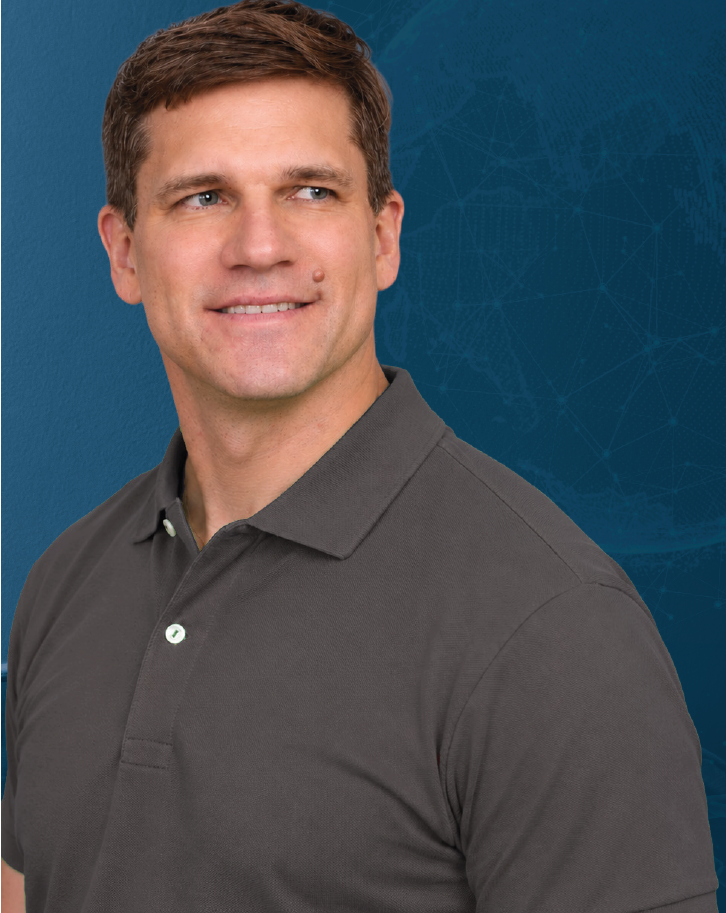
The hardest moment hereditary hemorrhagic telangiectasia (HHT) has given me happened in a recovery room, while my youngest daughter was still coming out of anesthesia. She had just undergone a procedure to treat pulmonary AVMs in her lungs, and we hoped it would be enough. Then the doctor came in and told her it wasn’t. She would need a partial lobectomy.
I remember watching her take that in while the anesthesia from the previous procedure had barely worn off. She was disappointed, but what stayed with me was how quickly she found the courage to face what came next. No parent wants to see their child have to be that strong.
And as her father, I wanted to take the burden from her. As someone who also lives with HHT, I knew I couldn’t.
Too many families spend years waiting for answers, often only receiving a diagnosis after a crisis event. On average, 21 years pass between a person’s first HHT symptom and diagnosis. That is a long time to live with questions—and a long time for serious complications to go unrecognized.
“
“Our stories are what move us from an asterisk in a medical textbook to a community worth as much attention as any cancer or other disease.”
Terry T., Cure HHT Board of Trustees Chair
Individual living with and caring for loved ones with HHT
Our family has been through embolizations, surgery and plenty of uncertainty. But we have also been fortunate. We knew what to look for because screening standards existed. We had somewhere to turn because expert HHT care was accessible. And through Cure HHT, we found people who understood what we were facing—people who could answer questions, help us figure out what came next, and remind us that we were not facing HHT by ourselves.
That kind of support exists today because families before mine shared our stories, physicians listened, and people chose to invest in the possibility of a cure. Cure HHT has been the catalyst of these milestones. Today, Cure HHT has expanded the HHT Center of Excellence network from one center in 1991 to 55 worldwide. The science has grown with it. There are now 15 therapies in the HHT pipeline, compared with just three between 2018 and 2022.
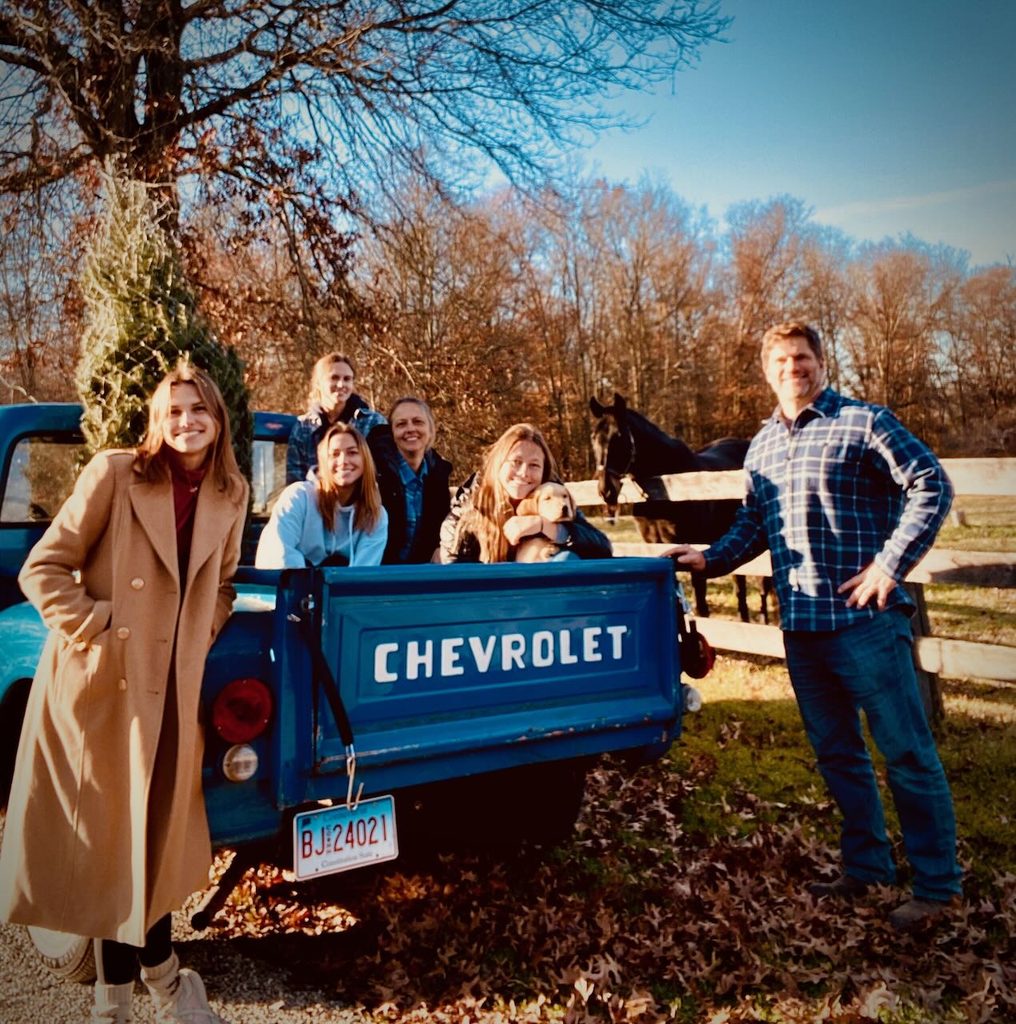
That gives me real hope because I believe something very simple: HHT is awful. But HHT is curable.
We have come a long way. We also have more work to do. The next discovery, the next treatment and, ultimately, a cure will only happen if we keep moving forward.
That is why I am asking you to make a year-end gift to Cure HHT. Right now, your gift will be matched dollar for dollar, doubling the impact of your support for research, expert care, and better treatments.
Your generosity helps turn the experiences of families like mine into the knowledge and science that can change what an HHT diagnosis means for the next generation. I cannot take HHT away from my daughters today. But I can do everything in my power to help make sure their future with this disease looks different from mine.
And with your help, I believe it will.
Please join me in making your gift today while it can go twice as far, and help us move from stories to science—and closer to a cure.